 Pinpoint Today
Take the SBTI test and see what your current state looks like.
The SBTI test feels like MBTI's chaotic younger cousin. Instead of asking who you are forever, SBTI asks what kind of mood, stress pattern, social energy, and survival mode you are carrying right now. Start the SBTI test here, finish 30 questions, and share the result the moment you land on it.
- An SBTI test result you will actually want to screenshot
- 27 internet-native archetypes that are weirdly easy to remember
- No signup required
- Privacy-first: results are generated in-browser
What is SBTI? The SBTI test reads more like a current-state snapshot than a fixed identity label.
SBTI stands for a playful, internet-native personality format. It borrows the quiz shape of MBTI, but the SBTI test is better understood as a read on your current state: how tired, guarded, chaotic, attached, or driven you feel right now.
The SBTI test uses 30 core prompts plus a hidden route, so the result feels more deliberate than a random meme generator.
Behind the jokes, the SBTI test still runs on a structured model covering Self, Emotion, Attitude, Action, and Social patterns.
Instead of a sterile label, the SBTI test maps you to 27 named personalities, including hidden and fallback endings.
How the SBTI test turns answers into an archetype.
Answer the SBTI test prompts
You move through 30 main questions, and one answer path can unlock an extra hidden question inside the SBTI test flow.
Score the 15 dimensions
Each SBTI test answer pushes one of fifteen dimensions upward, and every dimension is converted into a low, medium, or high signal.
Match the SBTI type library
Your final SBTI test pattern is compared against the type library to find the closest match, with special handling for hidden and fallback endings.
The SBTI test says the quiet part out loud, and that is exactly why people share it.
The SBTI test is more blunt than MBTI. Instead of flattering you, it may call you chaotic, drained, clingy, avoidant, or weirdly over-responsible.
For a lot of people, the SBTI test works like emotional pressure release: a safe way to laugh at burnout, overthinking, and social fatigue.
The SBTI test is social currency. Friends compare results the way older internet circles compared MBTI letters.
Under the jokes, the SBTI test still offers real structure: 5 models, 15 dimensions, 27 archetypes, and hidden endings.
SBTI vs MBTI: the SBTI test is asking a different question.
27 SBTI personalities, from Controller to the hidden DRUNK ending.
The SBTI test result pool includes 27 named personalities, including the main library plus hidden and fallback endings.

You instinctively bring order, structure, and control to messy situations. People around you often feel steadier because your first response is to organize, decide, and push things back onto the rails.

You keep paying, not always with money, but with time, energy, patience, and reliability. Others lean on you because you look sturdy, even when carrying everyone else quietly wears you down.

You give off detached, under-motivated vibes, but there is usually a strong layer of realism underneath. You are hard to impress with hollow ambition and you care more about comfort, honesty, and survival than performative success.
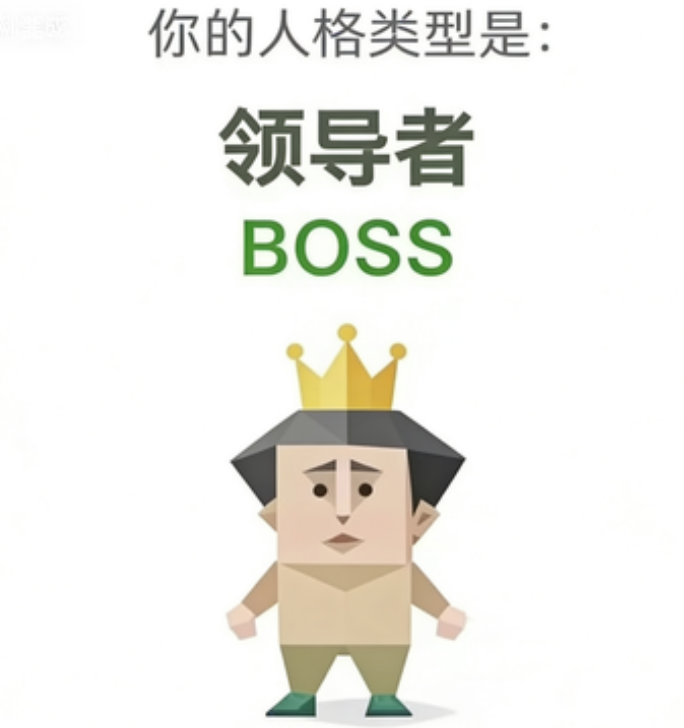
You naturally assume control, set direction, and move with intensity. You are energized by progress and responsibility, and people tend to treat you like the person who should decide what happens next.
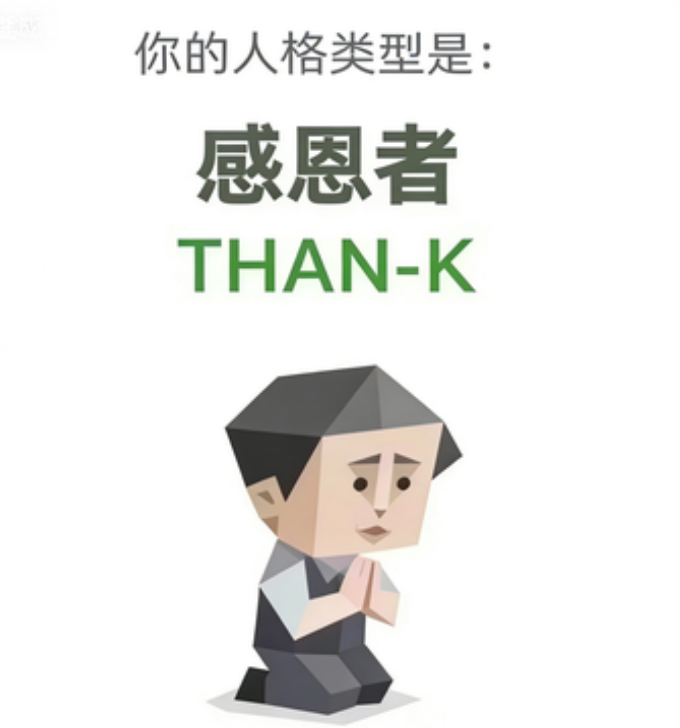
You have a gift for finding warmth, meaning, and silver linings where most people would only see inconvenience. Your default setting is generous, forgiving, and oddly resistant to cynicism.
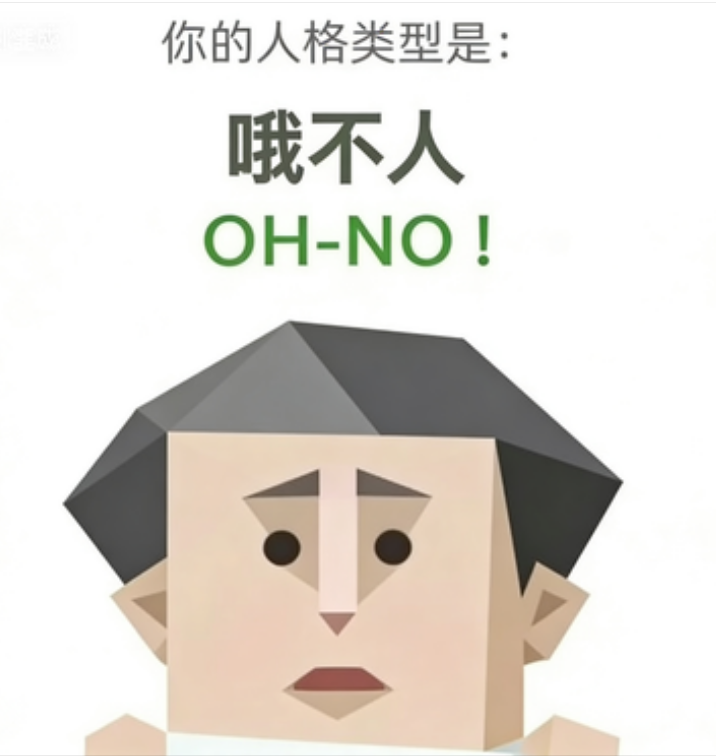
You see risk before everyone else does. That can look anxious from the outside, but it also means you prevent plenty of avoidable chaos by spotting problems early and respecting boundaries.

You are wired toward action, completion, and momentum. While others are still thinking through every possible branch, you are already halfway through doing the thing.
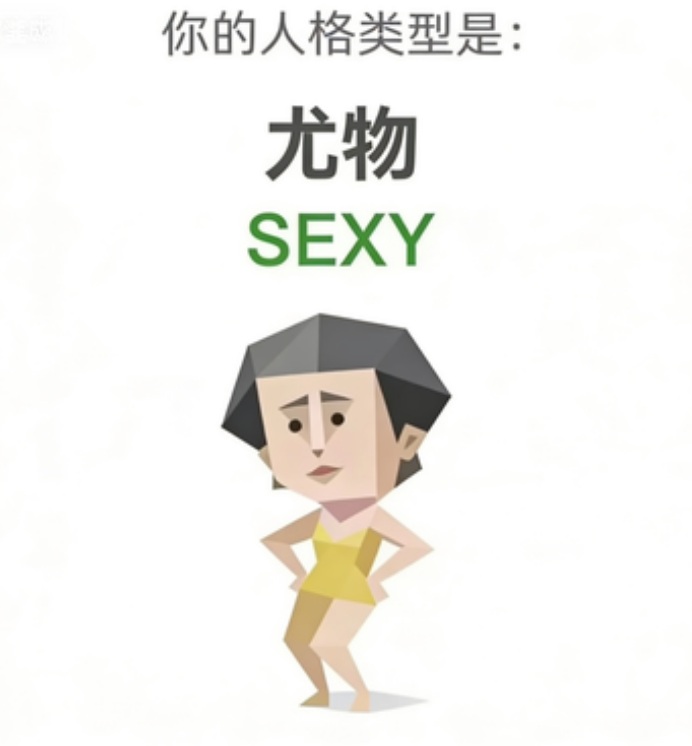
You easily draw attention and leave strong impressions without always trying very hard. Your appeal feels effortless, expressive, and a little larger than life.
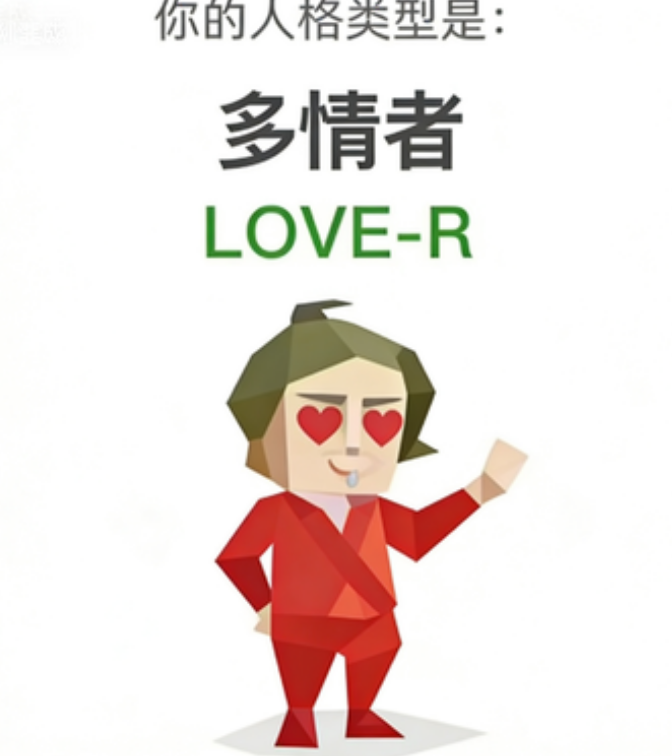
You feel deeply, attach richly, and often experience love as something bigger than ordinary life. Your emotional world is vivid, idealistic, and eager for a bond that feels truly mutual.

You soothe, notice, and nurture almost by reflex. Other people's feelings are rarely invisible to you, and your softness often shows up as reliable emotional labor.

You adapt to context quickly and can present different faces to different rooms. That flexibility makes you socially effective, but it can also leave you wondering which version is the most real.
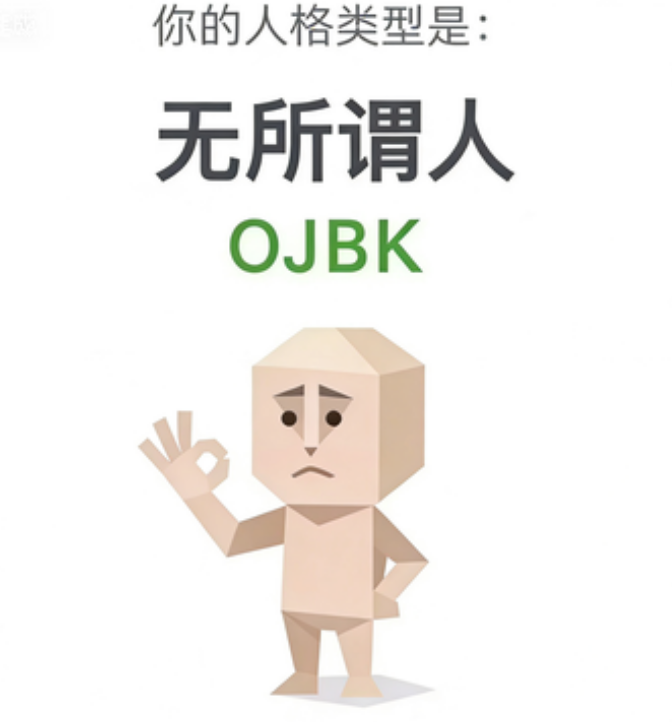
You treat a surprising number of choices like background noise. Rather than burning energy on endless preference battles, you keep a detached, unbothered stance that reads either chill or faintly imperial.
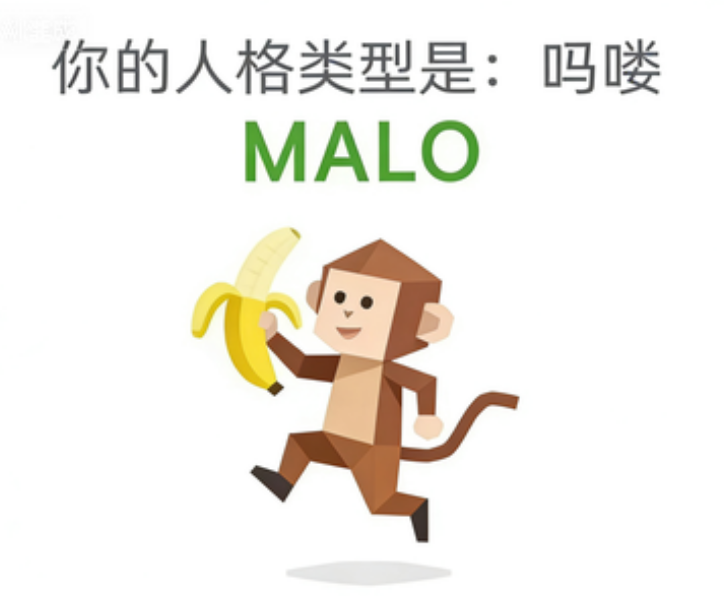
You still carry playful, unruly energy that refuses to be fully civilized. Rules feel negotiable, seriousness feels overrated, and a little disorder often makes life more fun.
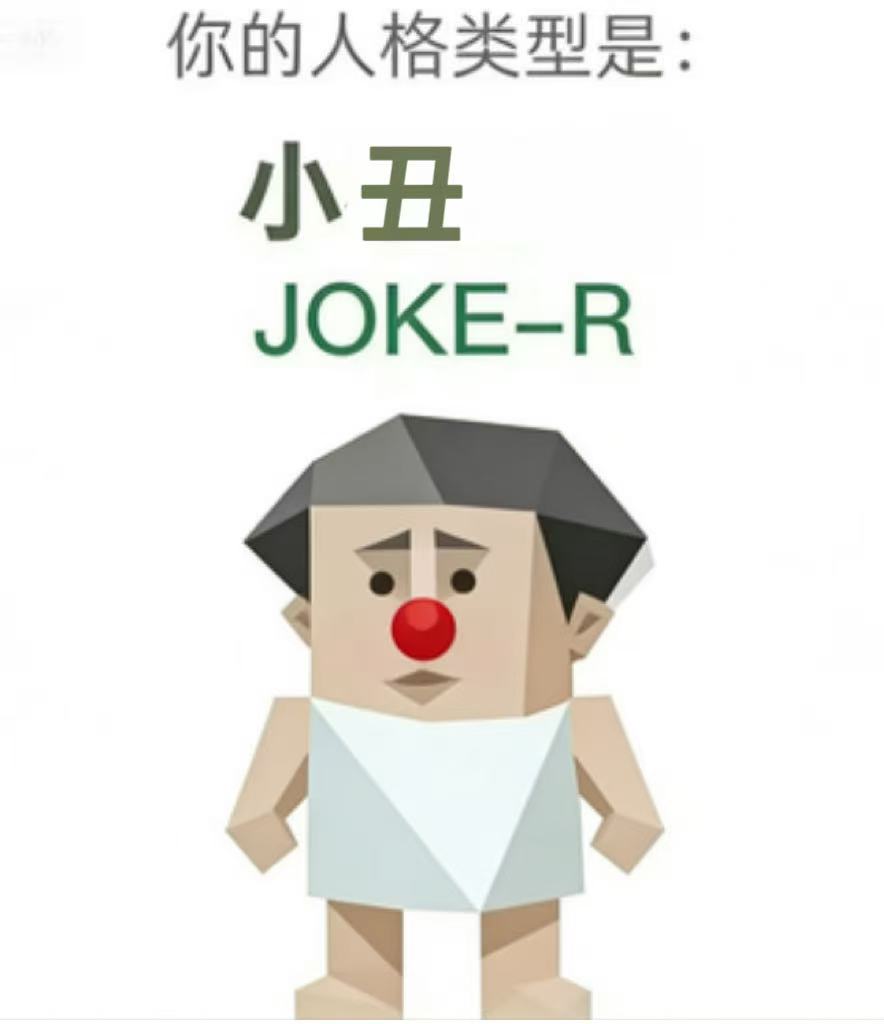
You use humor as both your social weapon and your emotional shield. You can keep a room alive, but the jokes often do more than entertain. They also cover the parts you do not feel like exposing directly.
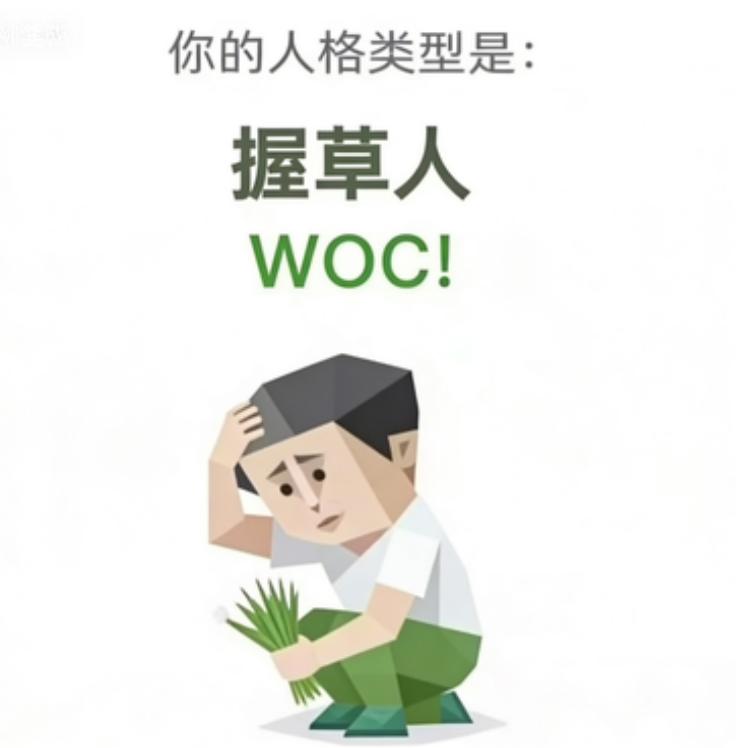
You react loudly and think quietly. Outwardly you look dramatic, but internally you are often much calmer and more analytical than your first exclamation suggests.
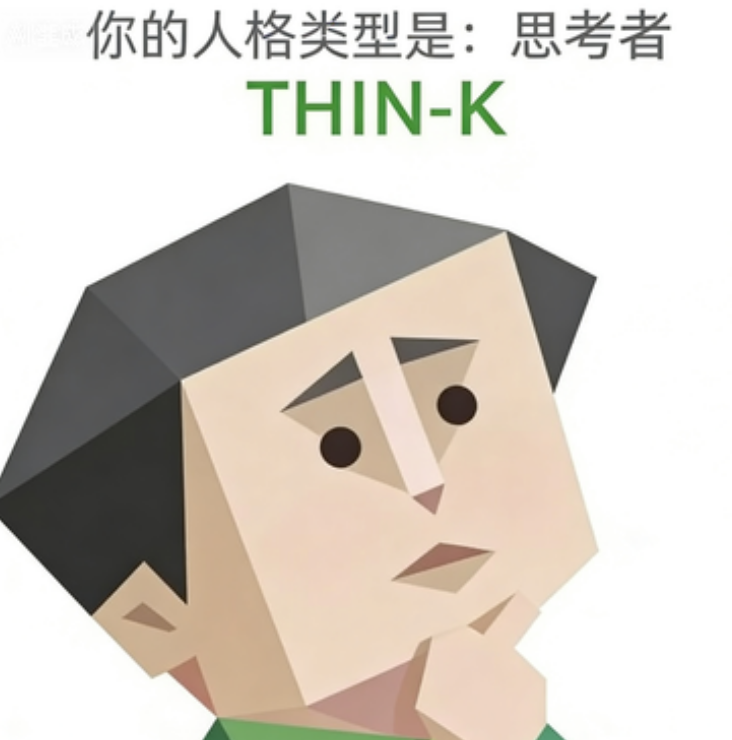
You rarely accept ideas at face value. Your mind automatically audits logic, bias, evidence, motives, and hidden assumptions, which makes you skeptical, reflective, and hard to rush.
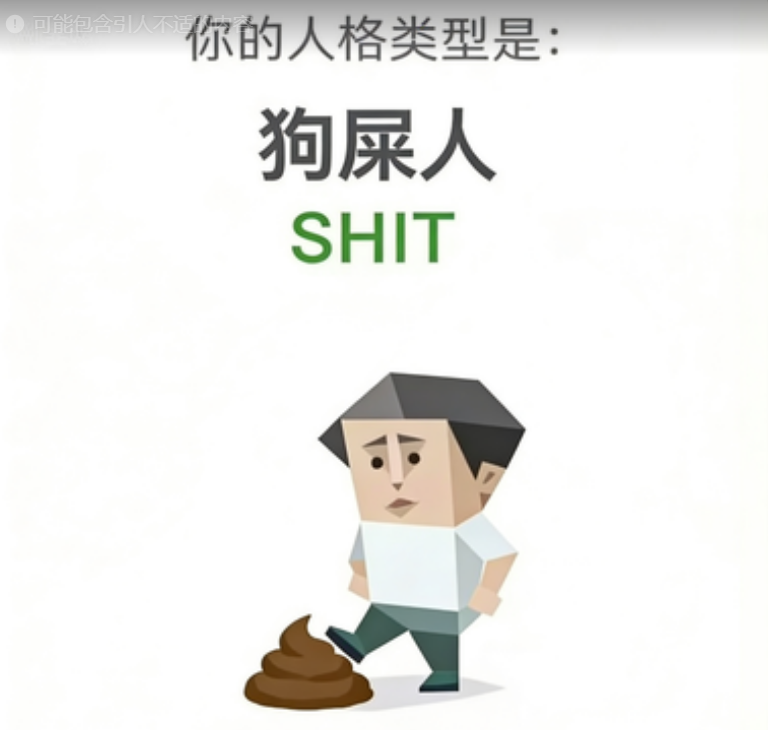
You complain like a doomer but still end up doing the work. Under all the irritation, there is often a deeply competent, responsible person who keeps cleaning up what others break.
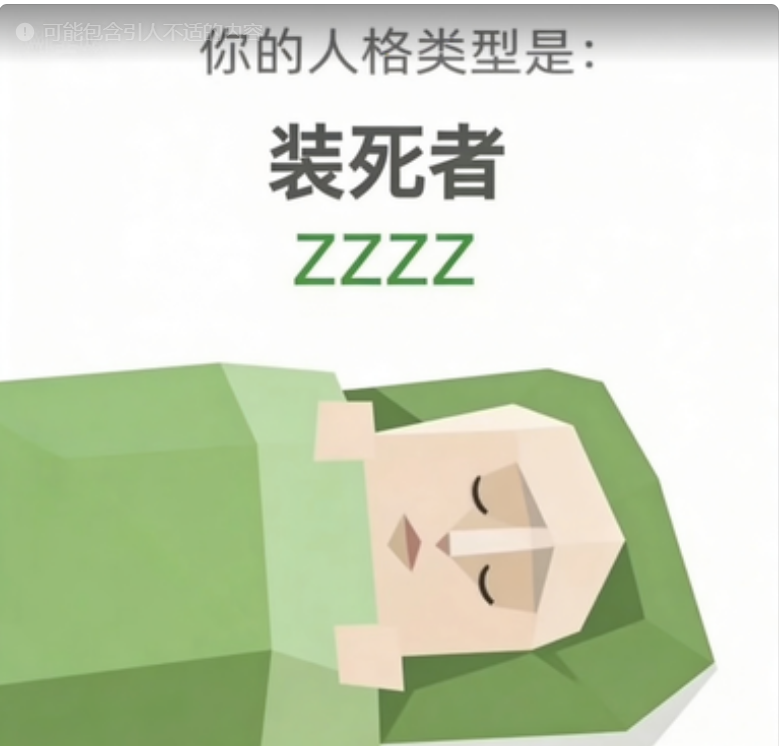
You can ignore noise for ages, then suddenly spring to life when the final warning appears. Your rhythm is intensely deadline-driven, but when pressure hits, you often deliver fast.
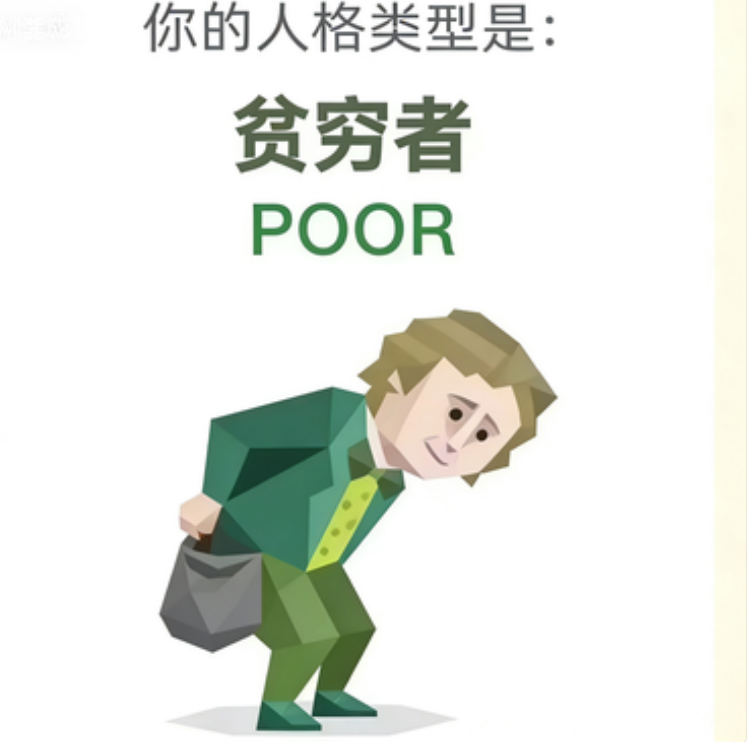
You do not spread yourself thin across everything. Instead, you pour disproportionate attention into whatever feels worth drilling into, which makes you look sparse from afar and intense up close.
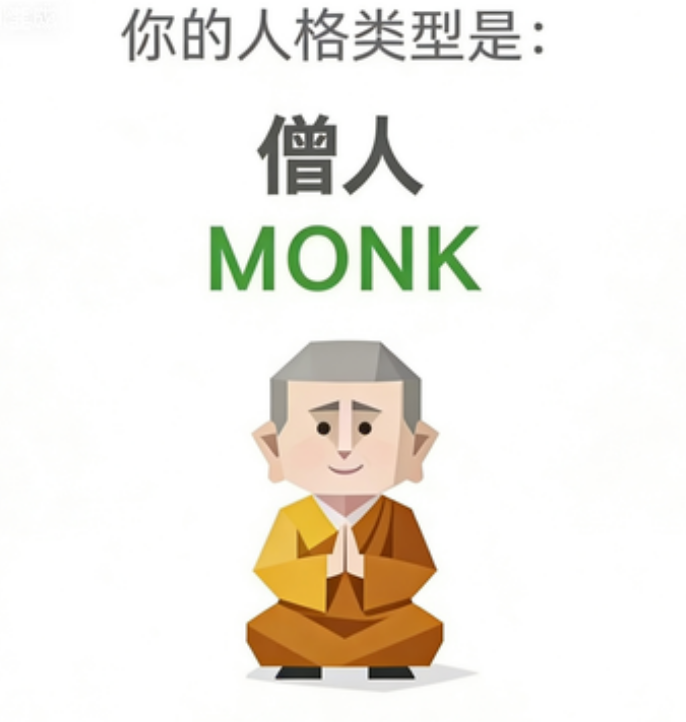
Space, solitude, and independence are sacred to you. You are not necessarily cold. You just breathe better when nobody tries to occupy your inner territory too aggressively.

You often swing between impulse and self-criticism. One part of you wants to charge straight at what you want, while another part is already rehearsing why it would be humiliating to try.
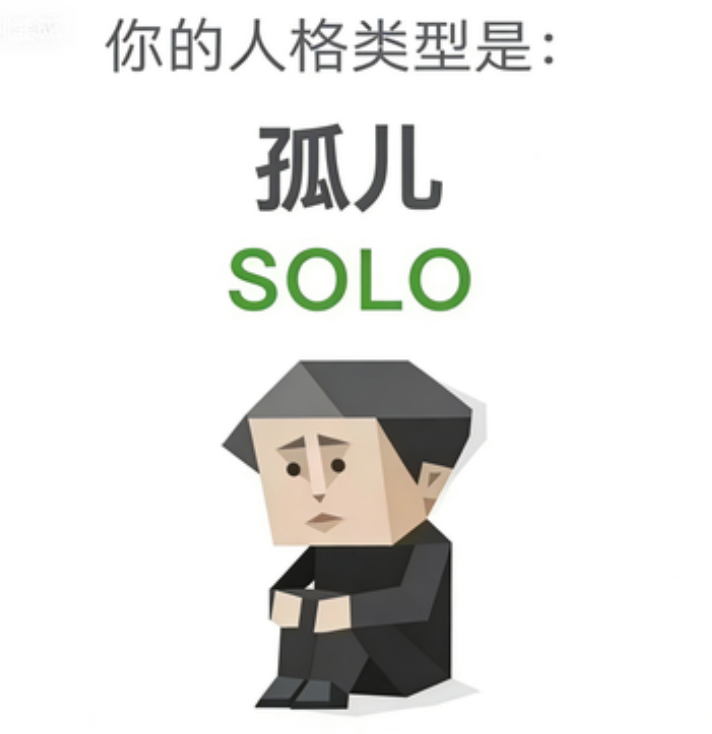
You protect vulnerability with distance, sharpness, or retreat. The people who matter most to you matter a lot, which is exactly why closeness can feel risky.

You reject being overly domesticated by rules, manners, or polite emotional management. Your energy is visceral, defiant, and driven by raw aliveness rather than tidy structure.

A lot of ordinary ambition fails to move you. You often read life with distance and fatigue, as if you have already seen too many loops to get excited by the same old promises.
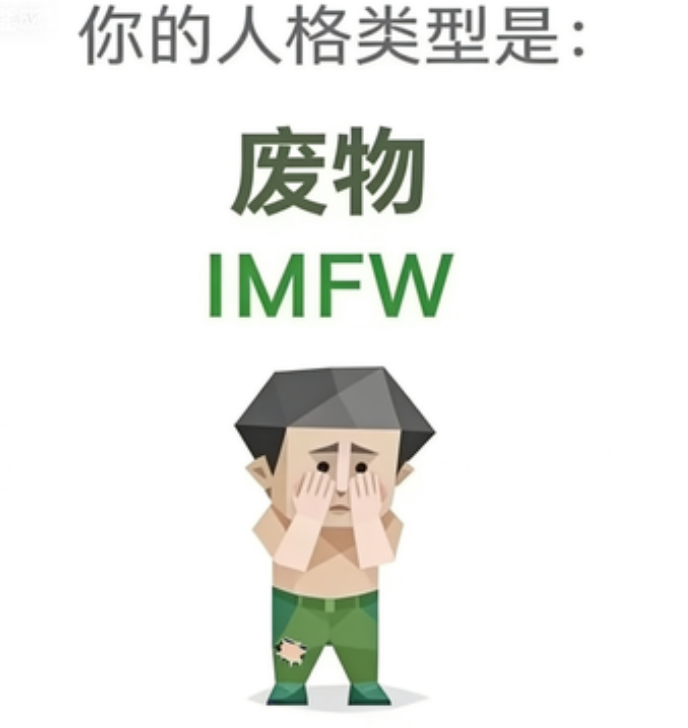
You can be trusting, sensitive, and easy to hurt, but that softness is also why your sincerity feels so visible. Once you find someone safe, you tend to lean in with real emotional openness.
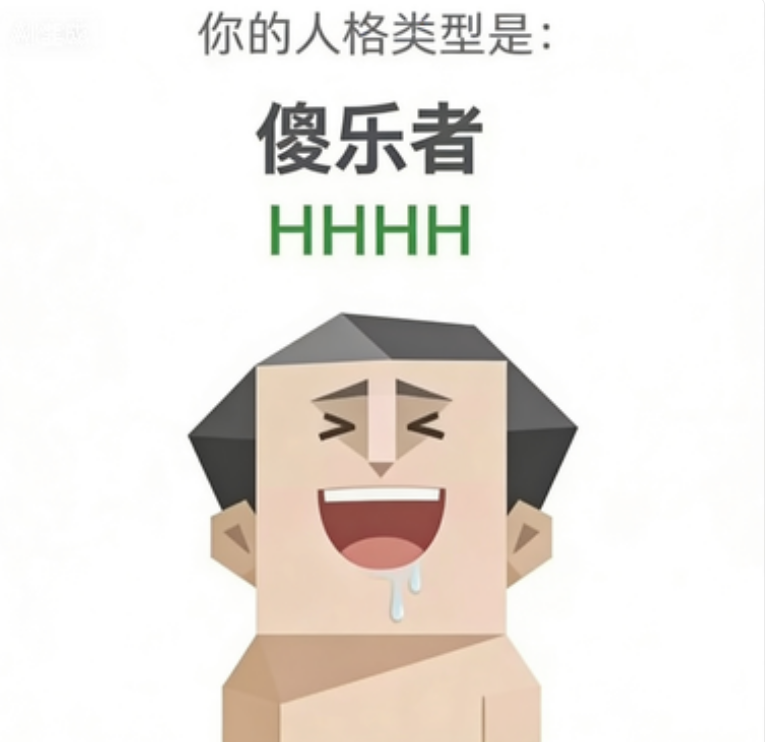
No standard archetype matched your vector confidently enough, so the fallback type stepped in. In plain terms: your pattern is weird, mixed, or simply too idiosyncratic for the current library.
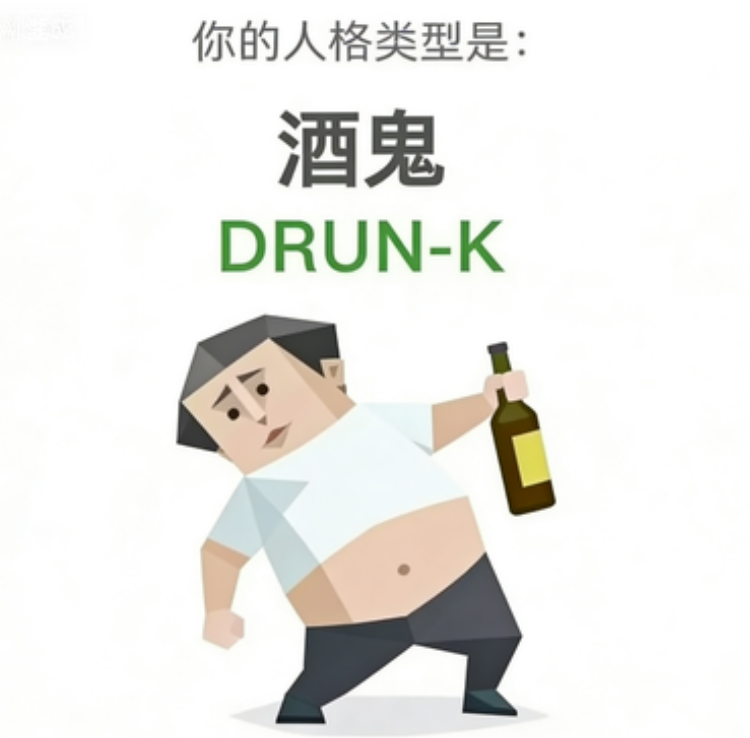
You triggered the hidden alcohol ending, which overrides the normal archetype match. This path exists as a deliberately absurd special case from the original source material.
The 15 dimensions behind the SBTI test.
These fifteen dimensions are what the SBTI test scoring engine actually uses. Each one lands at a low, medium, or high level inside your final result.
Self-worth, identity clarity, and the inner values that steer your choices.
Self-esteem & confidence
How sturdy, secure, and self-assured you feel in your own skin.
Self-clarity
How clearly you understand your own identity, motives, and inner pattern.
Core values drive
How strongly personal values and long-term ideals guide your choices.
Attachment security, closeness, and how intensely relationships shape you.
Attachment security
How safe or anxious closeness feels when relationships matter.
Emotional investment
How much you tend to attach, care, and pour yourself into connection.
Boundaries & dependence
How tightly you protect personal space versus leaning into mutual dependence.
Worldview, comfort with rules, and whether meaning feels stable or fragile.
Worldview tilt
Whether your default lens on people and life is trusting, cautious, or cynical.
Rules & flexibility
How much you resist structure versus respecting boundaries and systems.
Sense of meaning
Whether life feels purposeful, hollow, or somewhere in between.
Motivation, decision speed, and whether you push or stall when action is needed.
Motivation orientation
Whether you move toward growth and results or mainly try to avoid risk and trouble.
Decision style
How decisive, forceful, and action-biased you are when choices need to be made.
Execution pattern
How consistently you turn intent into action once plans meet reality.
Initiative, boundaries, and how visible your authentic self becomes around other people.
Social initiative
How naturally you start conversations, enter rooms, and extend yourself toward people.
Boundary distance
How open or guarded you are when people try to move closer.
Expression & authenticity
How directly your inner self shows up in different social settings.
The common questions before people let the SBTI test roast them.
Ready to take the SBTI test?
Jump back to the hero, finish the SBTI test, and send your result to friends while the algorithm is still feeling judgmental.